COMPLETE DENTAL CARE PERSONALIZED FOR YOU
Comprehensive dental care, specialist expertise and a patient first approach all under one roof.

GENERAL & PREVENTATIVE DENTISTRY
Good oral health starts with prevention and regular care. Our general and preventive...
Learn More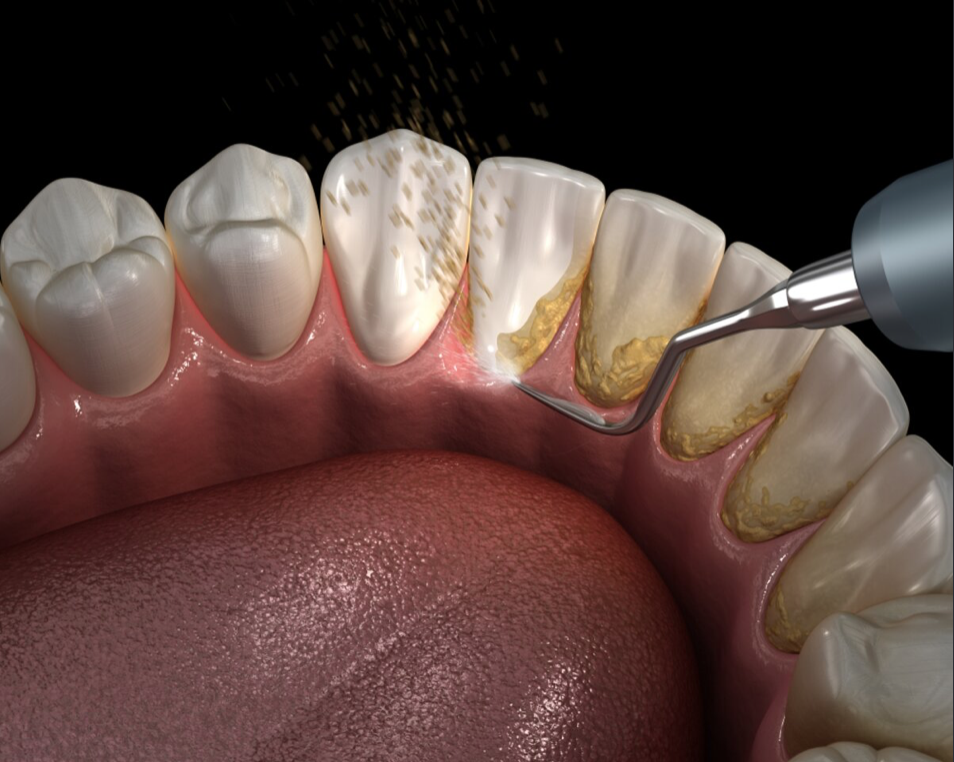
TEETH CLEANING & SCALING
Professional teeth cleaning and scaling removes plaque and hardened tartar that regul...
Learn More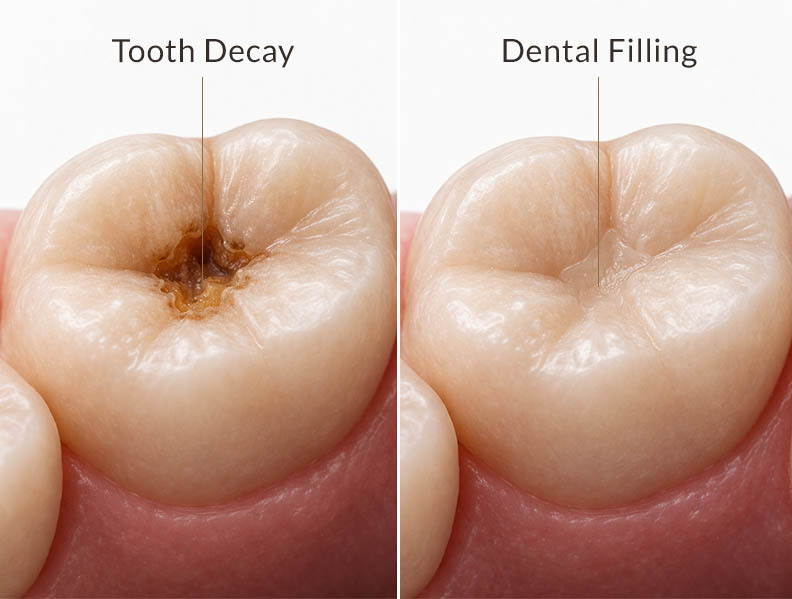
DENTAL FILLINGS
Dental fillings restore teeth that have been damaged by cavities or minor decay. We g...
Learn More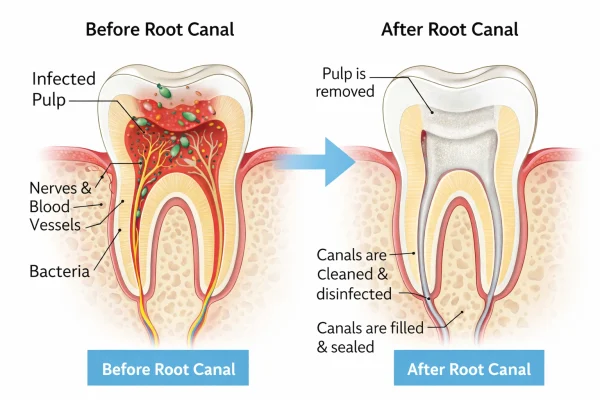
ROOT CANAL TREATMENT
Root canal treatment helps save a natural tooth that has become infected or severely...
Learn More
CROWNS & BRIDGES
When a tooth is badly damaged, weakened, or missing, it can affect much more than you...
Learn More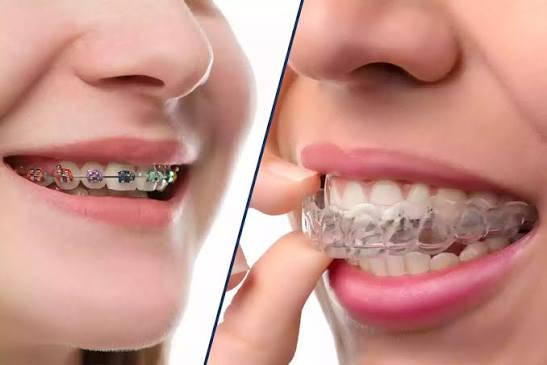
ORTHODONTICS (BRACES & ALIGNERS)
Straightening your teeth is about more than just appearance. We plan orthodontic trea...
Learn More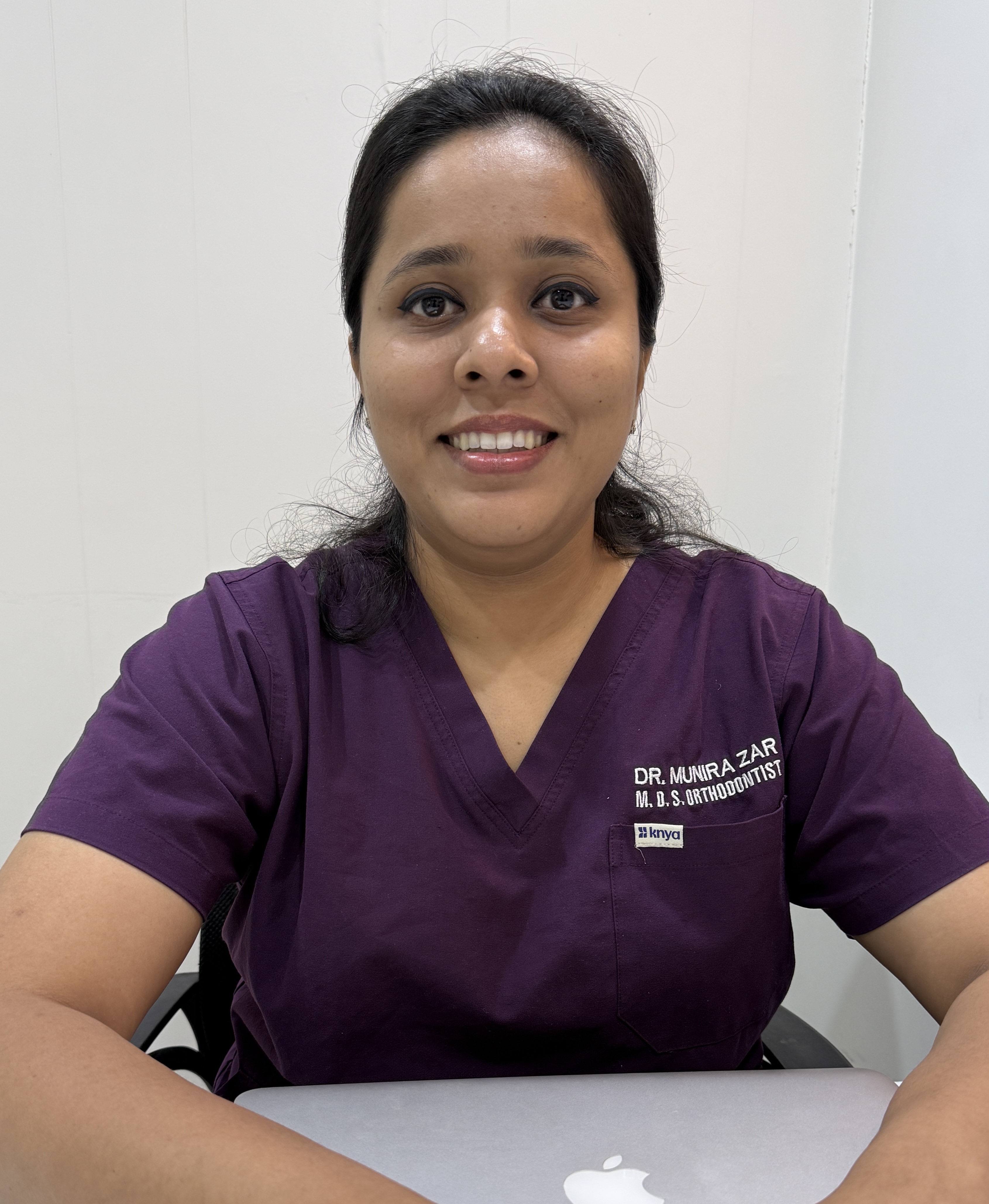
DR. MUNIRA ZAR | CLINICAL DIRECTOR & ORTHODONTIST
Dr. Zar’s Dental Clinic was founded with the aim of bringing comprehensive dental care together in a comfortable and welcoming setting. Led by Dr. Munira Zar, an orthodontist with a passion for creating healthy, confident smiles, the clinic offers a wide range of dental treatments for children and adults. With a network of trusted dental professionals and associates, we are able to provide specialised care across different areas of dentistry, while keeping every treatment plan centred around the individual’s needs.
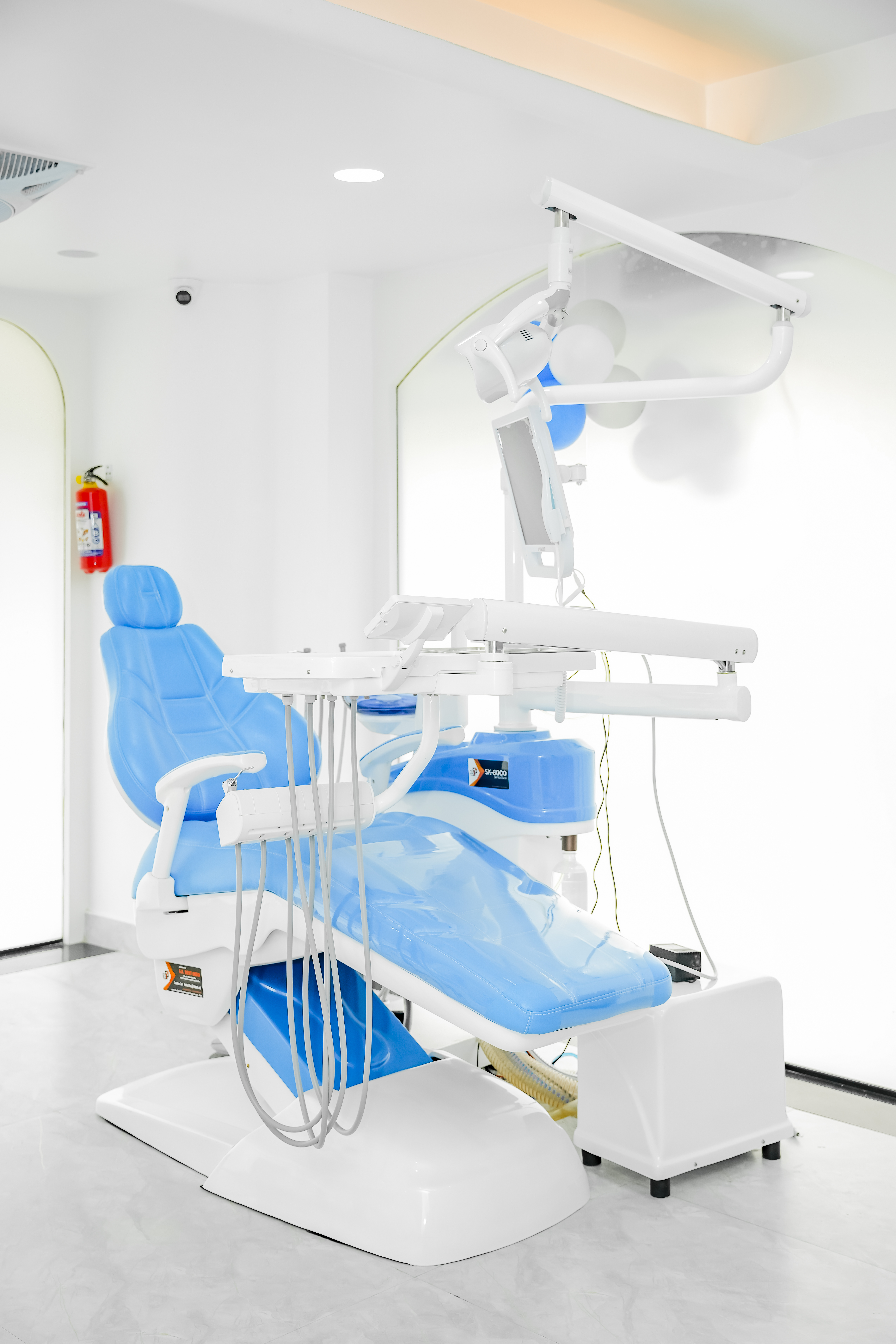
Clinic Gallery
Take a virtual tour of our modern clinic facilities, advanced medical equipment, and happy smiles.


Latest Dental Insights
Stay informed with the latest oral hygiene tips, orthodontic guides, and dental care advice from our experts.

SAVE THE TOOTH OR REMOVE IT? HOW DO DENTISTS DECIDE?
“My tooth is badly damaged. Can it still be saved, or is extraction the only option?” When a tooth is badly decayed, infected, broken or weakened, one of the most important decisions is whether it can be predictably restored or whether removing it is the better option. Whenever possible, preserving a natural tooth can have important advantages. But saving a tooth is not always the best or most predictable choice. So how does a dentist decide? When can a natural tooth be saved? A tooth may be suitable for saving when there is enough healthy tooth structure remaining to restore it and the supporting tissues are reasonably healthy. The aim is not simply to repair the visible damage. The dentist also needs to consider whether the tooth can remain functional and maintainable over time. Does an infected tooth always need to be removed? No. Infection inside a tooth does not automatically mean that the tooth has to be extracted. In many cases, root canal treatment can remove the infected tissue, clean and seal the inside of the tooth, and allow the natural tooth to be retained. However, the tooth must have enough healthy structure remaining to be restored after the infection is managed. What if the tooth is badly broken? This is where the remaining tooth structure becomes particularly important. A tooth may have a large cavity or a significant portion of the crown may have broken away. If enough sound tooth remains above and below the gum to support a restoration, the tooth may still be treatable. But if very little healthy structure remains, restoring the tooth may not be predictable. A crown cannot simply replace everything that has been lost. The crown needs a sound tooth structure to support it. What about cracks? Cracked teeth need careful assessment. Some cracks are limited and may be managed by protecting the tooth. Others extend deeper into the tooth and may make the tooth difficult or impossible to save predictably. The location and extent of the crack matter. A crack that extends into the root, for example, can significantly affect the long-term outlook of the tooth. This is one situation where removing a tooth may sometimes be recommended because attempting to restore it may not provide a predictable long-term result. What role do the gums and bone play? A tooth is not supported by the tooth alone. The gums and bone around it provide its support. Advanced gum disease can cause significant loss of the bone supporting a tooth, which may make the tooth loose and difficult to maintain. Before deciding whether to save or remove a tooth, the dentist may therefore assess: - The amount of supporting bone - Gum health - Tooth mobility - The condition of the surrounding tissues - Whether the tooth can be cleaned and maintained properly A tooth with poor support may have a different outlook from a tooth with healthy surrounding tissues. What if the tooth can technically be saved, but the result isn't predictable? This is an important distinction. Sometimes a tooth can be treated technically, but that does not necessarily mean it is sensible to do so. A dentist may consider: - How much healthy tooth remains - Whether the infection can be controlled - Whether the tooth can be properly restored - Whether there is a significant crack - The condition of the supporting bone and gums - Whether the tooth can be kept clean - The expected long-term outlook - The amount of treatment required If the chances of maintaining the tooth are poor, extraction may sometimes be the more predictable option. Is extraction always the easier choice? Not necessarily. Removing a tooth solves the immediate problem, but it also creates a missing-tooth space that may need to be considered. Depending on the situation, replacement options may include: - Dental implant: An implant can replace the missing tooth by using an artificial root placed in the jawbone, followed by a replacement tooth. - Dental bridge: A bridge replaces the missing tooth by using neighbouring teeth to support the restoration. - Dentures: A removable partial denture can replace one or more missing teeth. In cases of extensive tooth loss, complete dentures may be considered. The appropriate option depends on the condition of the remaining teeth, gums and bone, as well as the patient's individual needs. Should I always try to save my natural tooth? Not at any cost. Preserving a natural tooth can be valuable when it can be restored and maintained predictably. But repeatedly treating a tooth with a poor long-term outlook may not necessarily be the best solution. The goal should be a healthy, functional and maintainable mouth—not simply keeping a particular tooth at any cost. What should I ask if my dentist recommends extraction? If you're unsure, ask: - Why can't this tooth be predictably saved? - How much healthy tooth structure remains? - Is there a crack? - How much bone and gum support does the tooth have? - Is root canal treatment an option? - If we try to save it, what would the treatment involve? - What is the expected long-term outlook? - If the tooth is removed, how can it be replaced? - What are the advantages and limitations of each option? Understanding why a tooth is considered saveable—or not—can make the decision much clearer. So, save or remove? There isn't one answer for every damaged tooth. A dentist has to look at the tooth, its supporting tissues, the surrounding teeth and the long-term outlook before recommending treatment. At Dr. Zar’s Dental Clinic, we believe that extraction should not be recommended simply because a tooth is difficult to treat, but saving a tooth should not be attempted when the outcome is unlikely to be predictable. The aim is to understand the condition, explain the available options and choose an approach that supports your long-term oral health. The goal isn't simply to save a tooth. It's to save it when it can be predictably restored, maintained and kept healthy.
WHY DO DIFFERENT DENTISTS SOMETIMES RECOMMEND DIFFERENT TREATMENT OPTIONS?
“One dentist told me I need a crown. Another said a filling may be enough. Who is right?” If you have ever received different treatment recommendations from two dentists, it can be confusing—and sometimes worrying. The important thing to understand is that different treatment options do not always mean that one dentist is wrong. Dentistry often involves clinical judgment, and the most appropriate option can depend on the condition of the tooth, the surrounding tissues and your individual circumstances. Can the same dental problem have more than one treatment option? Yes. There can sometimes be more than one reasonable way to manage the same dental problem. For example, depending on the amount of healthy tooth remaining, a damaged tooth might be restored with a filling or may need a crown. A missing tooth may potentially be replaced with an implant, bridge or denture. Each option can have different advantages, limitations, costs, maintenance requirements and long-term considerations. The goal is not simply to find a treatment that can be done, but to understand which options are appropriate for your particular situation. Why can two dentists recommend different treatments? A dentist's recommendation is based on several factors—not just what the tooth looks like at first glance. 1. The condition of the tooth - The amount of healthy tooth structure remaining, the size and location of a cavity, cracks, previous fillings and signs of infection can all influence the treatment plan. Two teeth with similar-looking cavities may have very different amounts of remaining healthy structure. 2. Your age - Age can influence treatment planning, particularly in children and younger patients whose teeth and jaws are still developing. The long-term outlook and expected lifespan of a restoration may also be considered. 3. Your bite - The forces placed on a tooth matter. A tooth that receives heavy biting forces or is affected by grinding may require a different approach from a tooth experiencing less stress. 4. Your gums and supporting bone- Healthy teeth depend on healthy supporting tissues. Gum disease, bone loss, gum recession or other surrounding problems can affect which treatments are suitable and how predictable they are. 5. Previous dental treatment - A tooth that has already had a large filling, root canal treatment, crown or other procedure may have different treatment needs from a tooth that has never been treated. 6. Long-term outlook - Dentists don't only consider “Can we fix this today?” They also consider questions such as: - How much healthy tooth will remain? - How likely is the restoration to last? - Can the tooth be maintained properly? - What happens if this treatment fails? - What are the consequences of choosing a different option? These considerations can lead to different treatment recommendations. Does a different treatment recommendation mean someone is wrong? Not necessarily. Sometimes two dentists may look at the same problem and recommend different approaches because they are considering different factors or placing different emphasis on the advantages and limitations of each option. There can also be situations where one option is clearly more appropriate because of the clinical findings. That is why it is important to understand the reasoning behind a recommendation, rather than comparing treatment names alone. What should I do if two dentists give me different opinions? Don't feel that you have to choose immediately. Ask both dentists to explain: - “What exactly is wrong with my tooth?” - “What are my treatment options?” - “Why are you recommending this particular option?” - “What are the advantages and limitations of each option?” - “What happens if I wait or choose a different option?” - “How long can I reasonably expect this treatment to last?” - “Will I need additional treatment in the future?” These questions can help you compare the reasoning and long-term implications, rather than simply comparing procedures or prices. Is the most expensive treatment always the best option? No. A more expensive treatment is not automatically more appropriate. The right treatment should be based on what is clinically suitable, predictable and appropriate for the individual patient—not simply on how extensive or expensive the procedure is. Likewise, choosing the least expensive option is not always the best long-term decision if it has important limitations for that particular tooth. So, is there always one “correct” treatment? Not always. Some situations have a clear treatment recommendation. In others, more than one option may be reasonable, with different benefits and limitations. Good dental decision-making means understanding those options and choosing an approach that fits the condition of the tooth, your oral health, your priorities and the long-term outlook. At Dr. Zar’s Dental Clinic, we believe patients should understand why a treatment is being recommended—not simply be told what treatment to take. We assess the individual situation, explain the appropriate options and involve the relevant specialist when specialised care is required. Because good dentistry isn't about finding the most treatment. It's about finding the treatment that makes sense for that particular patient.
DO I REALLY NEED THIS TREATMENT?
“But my tooth doesn’t hurt. Do I really need to treat it?” It’s a very reasonable question. Many dental problems can develop quietly, without causing pain in the early stages. At the same time, not every dental finding needs immediate treatment. Good dental care is not about treating everything that can be treated. It is about understanding what is happening, assessing the risks and choosing the right approach for that particular tooth and patient. Why would a dentist recommend treatment if there is no pain? Pain is only one sign of a dental problem—and often not the first one. A cavity can gradually become larger without causing discomfort. Gum disease can progress without significant pain. An old filling may be weakening or leaking even though the tooth feels completely normal. By the time pain appears, the problem may sometimes have progressed enough to require more extensive treatment. That is why your dentist may recommend treatment based on what they can see during an examination or on an X-ray, even when you feel perfectly fine. Does every dental problem need to be treated immediately? No. Some dental conditions can be safely monitored rather than treated straight away. For example, a dentist may recommend observation when a finding is small, stable and unlikely to cause problems in the short term. Regular reviews can then help determine whether it is changing. The decision depends on factors such as: - What exactly is happening with the tooth - Whether the problem is progressing - How much healthy tooth structure remains - The condition of the gums and surrounding bone - Your bite and how much force the tooth receives - Your age and overall dental health - Previous dental treatment - The likelihood of the problem causing future complications Why not just wait until it starts hurting? Because pain is not always a reliable measure of how serious a dental problem is. A small problem may be easier to manage than the same problem after it has progressed. For example, a tooth with early decay may potentially need a simpler restoration. If the decay progresses deeper and reaches the inner part of the tooth, treatment may become more involved. Similarly, a tooth that is weakening or developing a crack may need attention before a larger piece breaks. This doesn't mean every problem will inevitably become serious if left alone. It means that the risks of waiting should be understood before making that decision. When is “wait and watch” appropriate? Monitoring can be a sensible option when immediate treatment is not necessary and the condition can be followed safely. Your dentist may recommend: “Let's monitor this and review it at your next check-up.” That doesn't mean the problem is being ignored. It means there is a plan to watch for changes and intervene if treatment becomes necessary. A good monitoring plan should include what is being monitored, when it should be reviewed and what changes would mean that treatment is needed sooner. Why can the same dental problem need different treatment in different people? Because teeth are not identical. Two people may have what appears to be a similar cavity, but the appropriate treatment may be different. One tooth may have plenty of healthy structure remaining, while another may already have a large filling or crack. One may be easy to clean and maintain, while another may be difficult to access. The condition of the surrounding gums and bone may also differ. This is why treatment should not be based only on the name of the problem. The tooth, the surrounding tissues, the bite and the person all matter. Does recommending treatment mean something serious is wrong? Not necessarily. Treatment recommendations range from simple preventive measures and fillings to more complex procedures. The important question is not simply: “Do I need treatment?” It is: “What is happening, what are my options, and what happens if I don't treat it now?” Those questions can help you understand whether treatment is necessary, whether it can be monitored, and what the consequences of delaying it might be. What should I ask my dentist before saying yes to treatment? If you are unsure, it is completely reasonable to ask: - What exactly is wrong with my tooth? - How do you know it needs treatment? - What happens if I don't treat it now? - Can we monitor it instead? - What treatment options do I have? - Why are you recommending this particular option? - How urgent is the treatment? - What could make the treatment more complicated if I wait? A good consultation should leave you with enough information to make an informed decision. So, do I really need this dental treatment? Sometimes the answer is yes. Sometimes the best approach is to monitor the problem. And sometimes there are several reasonable treatment options to consider. There is no single answer that applies to every tooth. At Dr. Zar’s Dental Clinic, we believe treatment should begin with understanding the problem—not simply deciding what procedure can be done. We assess the individual tooth and surrounding structures, explain the findings and discuss appropriate options with you. Good dentistry isn't about treating everything. It's about treating what actually needs treatment, at the right time, for the right reason.
Get In Touch
Have questions or ready to book? Reach out to us today and start your journey to a better smile.
-
Our Location
Dr Zar's Dental Clinic, BSF-1, 1st floor, Usha Estate, Above Kangan Prime, near Mowa Road, Mowa, Raipur, Chhattisgarh 492001
-
Phone Number
+91 9201236776
+91 9201233380 -
Opening Hours
Mon - Sat: 10:00 AM - 8:00 PM